Critically Examining the Philosophy of the Thirukkural

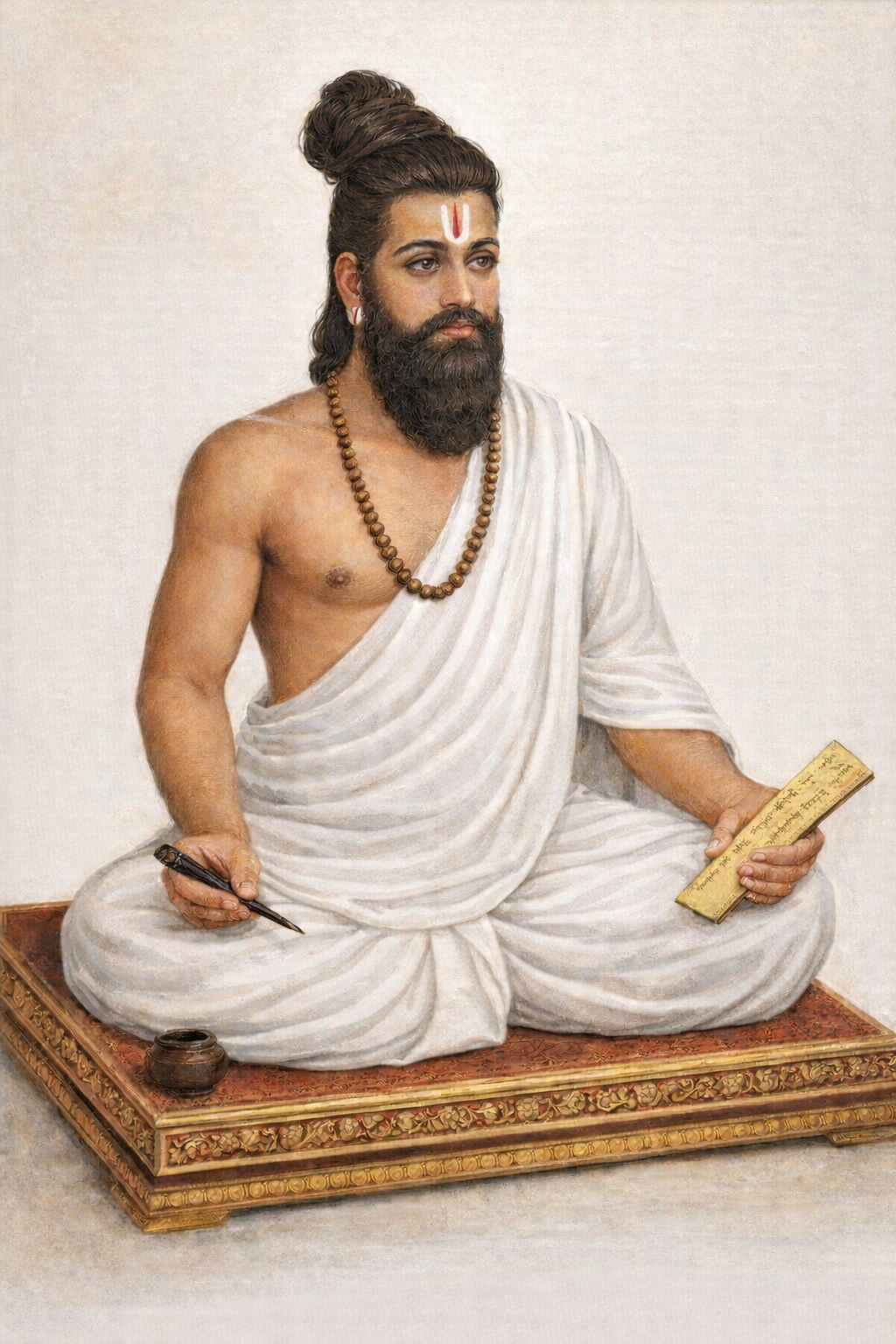
The aim of the sinless One consists in acting without causing sorrow to others, although he could attain great power by ignoring their feelings.
The aim of the sinless One lies in not doing evil unto those who have done evil unto him.
If a man causes suffering even to those who hate him without any reason, he will ultimately have grief not to be overcome.
The punishment of evil doers consists in making them feel ashamed of themselves by doing them a great kindness.
Of what use is superior knowledge in the one, if he does not endeavour to relieve his neighbour's want as much as his own?
If, in the morning, a man wishes to do evil unto another, in the evening the evil will return to him.
THE HINDU KURAL
In 1908, the Russian writer and intellectual, Leo Tolstoy wrote to Tarak Nath Das “A Letter to a Hindoo”, in response to two earlier letters sent by Das seeking the noted scholar’s support in the Indian movement for freedom from British rule. Within this letter were excerpts from a work of Tamil literature curiously titled “The Hindu Kural”.
One might wonder, what is this “Hindu Kural” alluded to by Leo Tolstoy? Is it some obscure work by an Azhwar or Nayanmar ? A recent composition by some Acharya or vidwan?
Surely it cannot be the same Thirukkural written by Thiruvalluvar, as it is a non-sectarian work of Tamil literature with no references whatsoever to the devatas or ideals of Sanathana Dharma. Indeed, is this not why it is praised as the “உலகப் பொதுமறை”, that which holds true for the entire world ?
Ironically the very name “உலகப் பொதுமறை” is of Dharmic origin, as in Tamil literature the word “மறை” itself refers to the Vedas, referred to thus because of their hidden meaning!
It is indeed the Thirukkural written by Thiruvalluvar that is quoted by Leo Tolstoy in his “Letters to a Hindoo”, and the corresponding Kurals are numbered 311, 312, 313, 315, 317, and 319 respectively, from the chapter of “இன்னா செய்யாமை”, Ahimsa.
Yet today, the Thirukkural is falsely portrayed as a non-sectarian, irreligious text that can be accepted by all irrespective of their origins and religion, and egregiously stripped of its Dharmic roots.
Worse still, it is subject to appropriation from schools of thought that in all likelihood did not even exist at the time of its composition!
This article is an effort to firmly establish the roots of Thiruvalluvar and the Thirukkural within the framework of Sanathana Dharma and the Vaishnava tradition prevalent in Sangam era Tamilagam, and disproving claims regarding the Thirukkural being a “common inheritance” to all irrespective of their religious and social beliefs.
Teleological Framework of the Thirukkural
To understand the Dharmic origin of the Thirukkural, one must first understand the ideals expounded on by Valluvar in his magnum opus.
That the Thirukkural talks of three ideals, namely அறம் – பொருள் – இன்பம் - Righteousness, Wealth and Desire/Love - is a fact accepted by scholars across all spectrums of political thought.
The Tamil ethical triad of aram, poruḷ, and inbam corresponds structurally to the Sanskritic puruṣārthas of dharma, artha, and kāma. Mokṣa, though not explicitly enumerated, is philosophically presupposed through the Thirukkural’s sustained emphasis on renunciation, impermanence, and freedom from karmic bondage. The Tamil system is thus triadic in expression but teleologically complete.
How do we know this?
Kural 754 :
அறன்ஈனும் இன்பமும் ஈனும் திறனறிந்து
தீதின்றி வந்த பொருள்.
“Their wealth, who blameless means can use aright, / Is source of virtue and of choice delight” - G.U Pope’s translation.
This is the exact sentiment echoed in the Mahabharatha and the dharmashastras,which state as following : धर्मार्थकामानभ्येति यः नोत्सृजति धर्मवित् ।
धर्मार्थकामानभ्येति स आत्यन्तं सुखं अश्नुते ॥
“One who pursues dharma, artha, and kama without conflict between them attains supreme happiness."
- Mahābhārataḥ - book-9, chapter-59, verse-18
अर्थं धर्मेण संयुक्तं कामं धर्मेण संयुक्तम् ।
धर्मार्थकामसम्पन्नः पुरुषः परिकीर्तितः ॥
“Wealth joined with dharma, desire joined with dharma—one endowed with all three is supreme”
- Manusmriti 4.176
The same is expounded on in the following kural :
ஒண்பொருள் காழ்ப்ப இயற்றியார்க்கு எண்பொருள்
ஏனை இரண்டும் ஒருங்கு.
He who makes glorious wealth in plenty, gains the other two treasures - inbam and aram together.
Kural 501 :
அறம்பொருள் இன்பம் உயிரச்சம் நான்கின்
திறம்தெரிந்து தேறப் படும்
“Before you trust, test people's attitude to these four: Virtue, wealth, love and fear of death.”
धर्मार्थकामभयैश्चतुरभिरुपायैः परीक्ष्य मन्त्रिणः ।
अतन्द्रितः स्थापयेत् तान् कार्येषु विग्रहादिषु ॥
Having tested the ministers by four means — dharma, wealth, pleasure, and fear — the vigilant (king) should appoint them in affairs such as peace and war.
- Kamandakiya Nitisara 9.40-43
चतुरः उपायाः मन्त्रिणः परीक्ष्याः—धर्मार्थकामभयाः ।
तान् परीक्ष्य कार्येषु नियोजयेत् ।
Ministers should be tested by four methods: dharma, artha, kama, bhaya. Having tested them, appoint them to duties.
- Arthashastra 1.10.12-17
Kural 560 :
ஆபயன் குன்றும் அறுதொழிலோர் நூல்மறப்பர்
காவலன் காவான் எனின்
Pope’s translation :
Where guardian guardeth not, udder of kine grows dry,
And Brahmans' sacred lore will all forgotten lie.
This is the exact inverse of the Svasti Vachana that is chanted at the enof every yagna or ritual, echoed across the Mandukya, Prashna and Mundaka Upanishads.
स्वस्ति प्रजाभ्यः परिपालयन्ताम्
न्यायेन मार्गेण महीं महीशाः ।
गोब्राह्मणेभ्यश्शुभमस्तु नित्यम्
लोकाः समस्ताः सुखिनो भवन्तु ।।
"May there be prosperity to the subjects; wherein the rulers protect the world in a lawful manner;
There the cows and brahmanas have auspiciousness eternally;
And thus all the people will be prosperous."
There are many such Kurals that draw explicit parallels with Sanskritic literature, especially the dharmashastras on the three purusharthas of Dharma - Aram, Artha - Porul, Kama - Inbam.
There are entire chapters of the Thirukkural dedicated to the above Purusharthas.
But what of the fourth Purushartha, Moksha? Is this nowhere mentioned in the Thirukkural?
Kural 341 :
யாதனின் யாதனின் நீங்கியான் நோதல்
அதனின் அதனின் இலன்
"From whatever, aye, whatever, man gets free, / From what, aye, from that, no more pain hath he."
Kural 346 :
யானென்னு நெஞ்சு இறுப்பான் வானோர்க்கு
உயர்ந்த உலகம் புகும்.
“Whoever kills conceit that utters 'I' and 'mine', / Shall enter the realm even above the Devatas.”
Kural 348 :
தலைப்பட்டார் தீரத் துறந்தார் மயங்கி
வலைப்பட்டார் மற்றை யவர்.
"Who thoroughly renounce the highest height are set; / The rest bewildered, lie entangled in the net."
Kural 352 :
இருள்நீங்கி இன்பம் பயக்கும் மருள்நீங்கி
மாசறு காட்சி யவர்க்கு
Darkness departs, and rapture springs to men who see, / The mystic vision pure, from all delusion free.
Kural 349 : பற்றற்ற கண்ணே பிறப்பறுக்கும் மற்று
நிலையாமை காணப் படும்
Only when attachment is completely absent is rebirth destroyed;
otherwise, what is experienced is merely impermanence.
Kural 358 : பிறப்பென்னும் பேதைமை நீங்கச் சிறப்பென்னுஞ்
செம்பொருள் காண்ப தறிவு
That is true wisdom which discerns
The truth that frees from foolishness of birth.
The above kurals explicitly show that Valluvan believed in the concept of moksha, beyond even the heavenly realms, attained on accepting renunciation, knowledge and the dissolution of the ego - concepts that are unique to Sanathana Dharma. Concepts like maya, rebirth, avidya and such are explicitly discussed in these kurals. One need not even bother examining Sanskrit pramanas to confirm the same!
To further ratify our logical conclusions, let us examine the names of the devatas alluded to within the Thirukkural.
Devatas mentioned within the Thirukkural
Within a sleepy village in Kerala is situated the Aranmula Parthasarathi temple, one of the 108 Dhivya Desams of the Shrivaishnava tradition.
While Bhagavan here is known as Parthasarathi, Partha’s charioteer, and said to have been installed at this temple by Arjuna himself, Nammazhwar, foremost amongst the 12 Azhwars of Tamil Shrivaishnavas, sings of him as Vamana, He who measured the three worlds with his divine feet.
While one would be justified in asking the correlation between a temple in modern-day Kerala and Thiruvalluvar’s monumental work, it is important to note how exactly Azhwar describes the deity within this temple.
“ஆகுங்கொல் ஐயமொன் றின்றி அகலிடம் முற்றவும்,
ஈரடியே ஆகும் பரிசு நிமிர்ந்த திருக்குறளப்பன் அமர்ந்துறையும்,
மாகம் திகழ் கொடிமாடங்கள் நீடு மதிள்திரு வாறன்விளை,
மாகந்த நீர்கொண்டு தூவி வலஞ்செய்து கைதொழுங் கூடுங்கொலோ!”
- Nammazhwar’s Thiruvaimozhi, 7.10.2
Nammazhwar here refers to Him as Thirukkural-Appan (திருக்குறளப்பன்).
More precisely, Vamana himself is referred to as குறளன் multiple times within the Azhwar’ works
“ஒரு குறளாய் இரும் நிலம் மூவடி மண் வேண்டி”
- Thirumangai Azhwar.
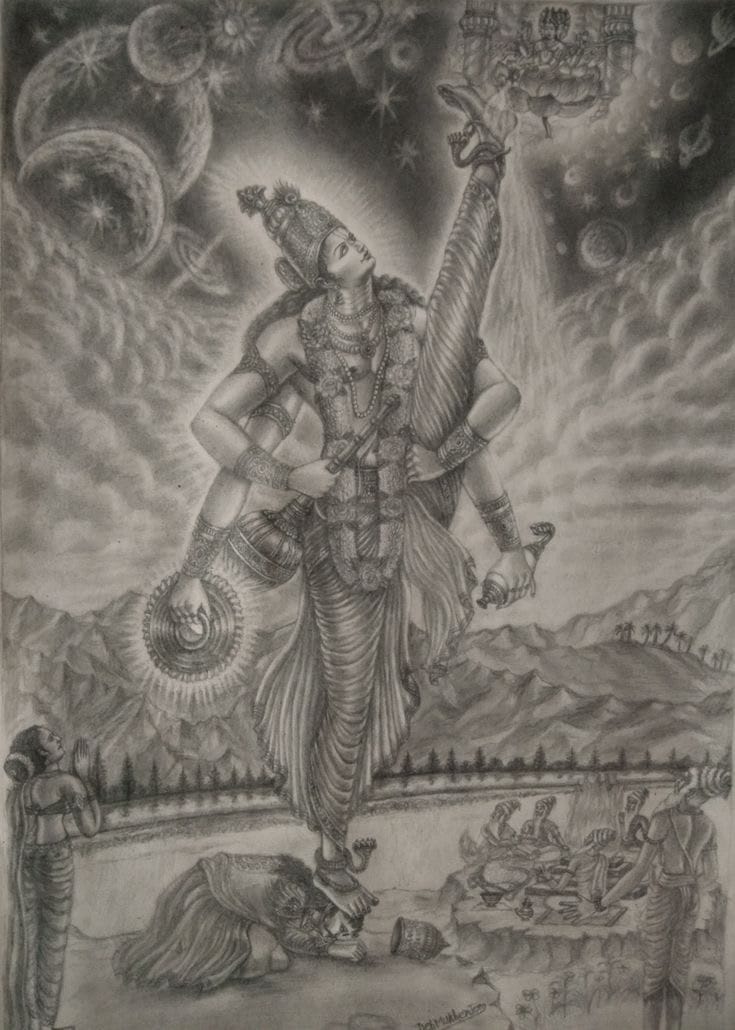
And Vamana is referenced within the Thirukkural as well!
Kural 610 :
மடியிலா மன்னவன் எய்தும் அடியளந்தான்
தாஅய தெல்லாம் ஒருங்கு.
G.U. Pope's Translation (1930) :
The king whose life from sluggishness is rid,Shall rule o'er all by foot of mighty god bestrid.
Even a Christian translator like Pope who had desperately tried to ascribe secular and irreligious meanings to umpteen Sangam texts had no choice but to accept that Valluvan had referenced none other than Vamana in this Thirukkural!
Which other devatas are referenced in the Thirukkural?
Kural 25 :
ஐந்தவித்தான் ஆற்றல் அகல்விசும்பு ளார்கோமான்
இந்திரனே சாலுங் கரி
Pope's Translation:
Their might who have destroyed 'the five', shall soothly tellIndra, the lord of those in heaven's wide realms that dwell.
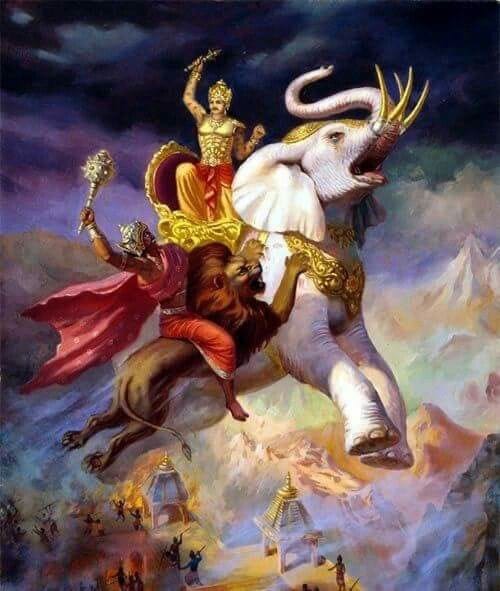
Indra here is referred to by name and as the king amongst devas!
Kural 899 : ஏந்திய கொள்கையார் சீறின் இடைமுரிந்து
வேந்தனும் வேந்து கெடும்.
If those of exalted vows burst in a rage, even (Indra) the king will suffer a sudden loss and be entirely ruined.
That Indra is referred to as Vendhan, king amongst Devas in Sangam literature, is well known from the Purananooru and Paripadal.
Kural 617
மடியுளாள் மாமுகடி என்ப மடியிலான்
தாளுளாள் தாமரையினாள்.
Pope’s Translation :
In sluggishness is seen misfortune's lurid form, the wise declare;
Where man unslothful toils, she of the lotus flower is there!
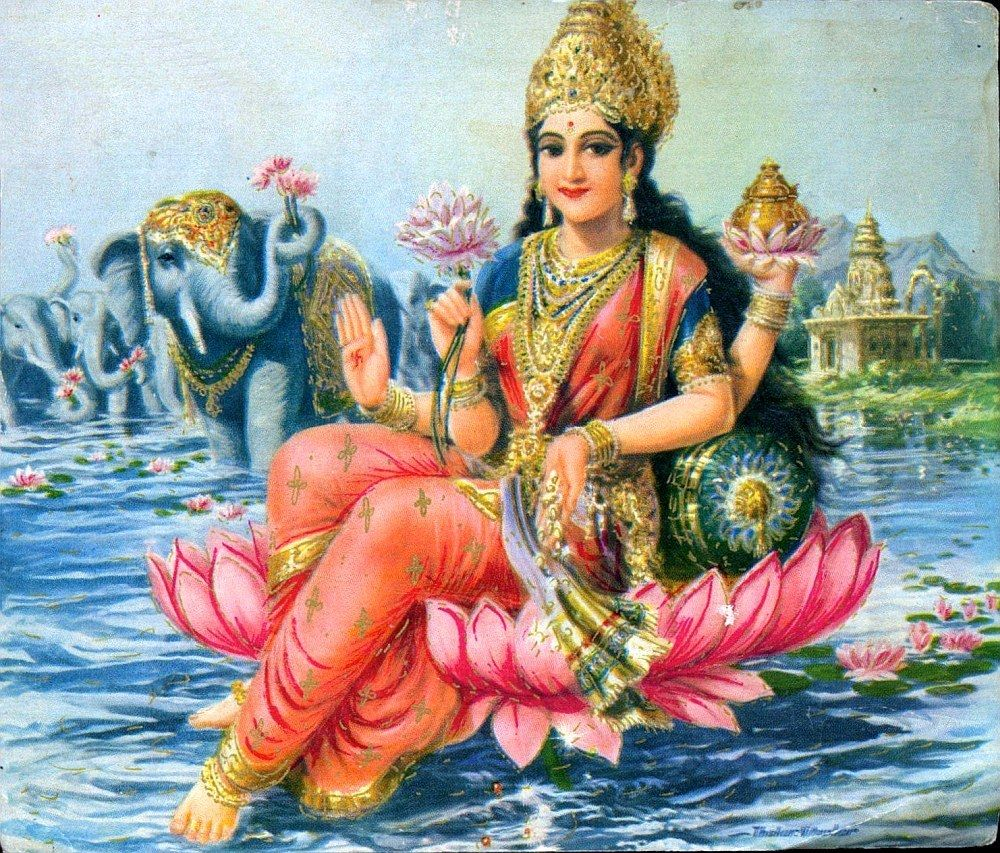
Parimelazhagar, the famed mediaeval commentator of the Thirukkural, declares that the Goddess seated on the lotus flower represents she who brings prosperity - Sri Devi, Lakshmi.
The imagery of Sri as seated on a lotus is documented from the time of the Vedas, explicitly in the Shri Suktam.
The contrasting reference to மாமுகடி (Maamukadi - Moodevi, the goddess of misfortune) alongside Sri Devi is found exclusively in Dharmic texts, establishing Valluvar's grounding in Vedic cosmology.
Kural 269:
கூற்றம் குதித்தலும் கைகூடும் நோற்றலின்ஆற்றல் தலைப்பட் டவர்க்கு.
G.U. Pope's Translation:
"E'en over death the victory he may gain,If power by penance won his soul be obtained."
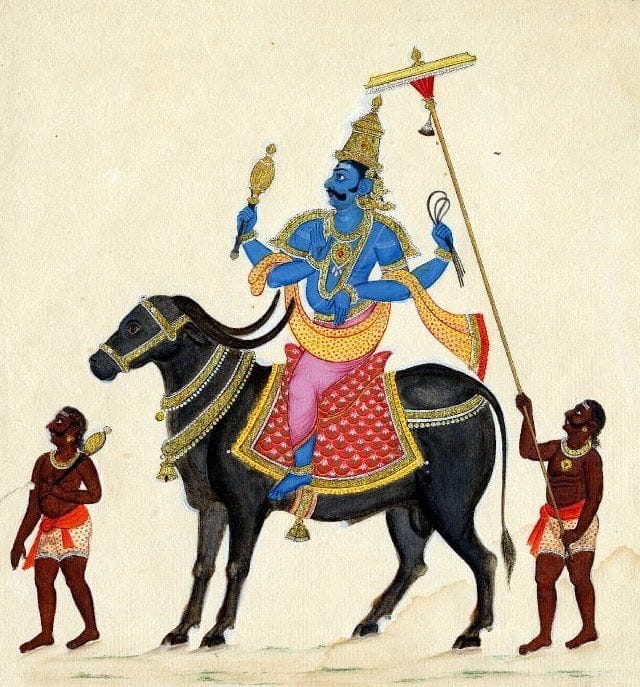
கூற்றம் (Kootram) refers to Yama, the God of Death.
Kural 326:
கொல்லாமை மேற்கொண் டொழுகுவான் வாழ்நாள்மேல்செல்லாது உயிருண்ணுங் கூற்று.
"Death that eats up life spares the breath of him who puts no life to death."
கூற்று (Kootru - "he who consumes lives") again refers to Yama.
Sangam Evidence for Kootram being Yama:
Purananooru 283 (பாலை பாடிய பெருங்கடுங்கோ):
"கூற்றத் தன்ன கொலைவேல் மறவர்ஆற்றிருந் தல்கி வழங்குநர்ச் செகுத்த"
"Warriors with deadly spears like Kootram (Yama), having stayed by the river, killed the travelers..."
The term கூற்றம் (Kootram) is explicitly equated with யமன் (Yama/Yaman) and defined as "உயிரை உடலினின்றும் எடுப்பவர்" (one who separates soul from body).
கூறுபடுத்துவோன் = கூற்றுவன் (Kootruvan - "He who divides/separates" - referring to the separation of life from body).
Kalithokai 7 - Pālai Section:
“கூற்றுவன் போல சீறு செங்கதிர் தெறுதலின்
அவ் வெயில் ஏறு பெற்று
உதிர்வன போல வரை பிளந்து இயங்குநர் ஆறு கெட
விலங்கிய அழல் அவிர் ஆர் இடை
மறப்பு அரும் காதல் இவள் ஈண்டு ஒழிய”
"Since the harsh red sun with bright rays that is like Kootruvan (Yama) scorches fiercely..."
Thiruppavai - Paasuram 10 (Andal):
"கூற்றத்துவாய் வீழ்ந்த கும்பகர்ணனும்"
"Even Kumbhakarna who fell into the mouth of Kootram (Yama)..."
This confirms கூற்று/கூற்றம் as the established Tamil term for Yama from Sangam through medieval Tamil literature. The Kural boldly states that those who have attained the power of penance (tapas) can transcend even Yama's dominion - a concept mirrored in the Kathopanishad where Nachiketa confronts Yama himself.
The Metaphysics of the Thirukkural
Now that it has been firmly established that the Thirukkural falls within the auspices of Sanathana Dharma, what system of metaphysics does the Thirukkural adhere to?
To begin, let us first examine the identity of the Supreme God mentioned in the Thirukkural.
To the bitter pain of many secularists and “rationalists” who would like to believe that Sangam-era Tamilagam was an “agnostic” and scientific civilization free from the “malaise” of Sanathana Dharma (while they are right about the latter, they are sorely mistaken on the former), Thiruvalluvar begins his Thirukkural with “கடவுள் வாழ்த்து”, a Praise to God.
Hence they made up a facade wherein the “God” described by Valluvan is an entity that cannot be attributed to any particular religion, and can be taken as common for members of any religion.
Kural 1.
அகர முதல எழுத்தெல்லாம் ஆதி
பகவன் முதற்றே உலகு.
G.U Pope’s translation :
A, as its first of letters, every speech maintains;
The “Primal Deity” is first through all the world’s domains.
It is important to note that Bhagavan is not a Tamil word. While the set of kurals themselves are titled “கடவுள் வாழ்த்து”, where “கடவுள்” is the Tamil word for God, Valluvan consciously uses the word “பகவன்”, which is a Sanskrit-origin word, for God.
Why is this so?
ऐश्वर्यस्य समग्रस्य वीर्यस्य यशसः श्रियः ।
ज्ञानवैराग्ययोश्चैव षण्णां भाग इति विश्रुतः ॥ ६.५.४७ ॥
ईश्वरो नारायणः सर्वं यतोऽतिदूरगः ।
अतश्च भगवान् इति व्यपदेशः प्रचक्षते ॥ ६.५.७४ ॥
- Viṣṇu Purāṇa 6.5.47
Bhagavān is one who is invested with these six qualities in full:
- Aiśvarya (lordship/supremacy),
- Vīrya (virility/strength),
- Yaśas (fame/glory),
- Śrī (beauty/prosperity),
- Jñāna (wisdom/knowledge),
- Vairāgya (detachment/renunciation).
He is called Bhagavān because He is Nārāyaṇa, the Lord from whom everything emanates and to whom it returns, transcending all.
- H.H. Wilson’s translation of the Vishnu Purana
This is further confirmed in the Bhagavatam, as follows :
पूर्णं भास्करं श्वसति परं ब्रह्म ततः परम् ।
भागवान् इति व्यज्यते तस्मिन् गुणेषु गुणावलीः ॥
- S.B 1.2.23
Bhagavān is declared as He in whom the series of qualities (guṇāvalīḥ) resides fully.
This is further embellished by Valluvan’s conscious choice to use “அகரம்” as a syllogism to Bhagavan’s extent, alluding to Him being foremost through the material worlds as “A” is first amongst letters
Parasara Bhattar, famed commentator of the Vishnu Sahasranamam, in his Ashtashloki proclaims,
“अकारार्थो विष्णुः ।”,
i.e “The letter ‘A’ signifies Viṣṇu”.
This is embellished in the Gita, where Bhagavan himself proclaims to Arjuna that amongst the letters, he is ‘A’.
अक्षराणाम् अकारः अस्मि द्वन्द्वः सामासिकस्य च।
अहम् एव अक्षयः कालः धाता अहम् विश्वतोमुखः॥
- Gita 10.33
“Of letters, I am the letter A; among compound words, I am the dual compound. I am also inexhaustible time, and of creators, I am Brahma.”
The letter 'अ' (akaara) forms the basis of the Pranava which itself is the basis of all Vedas. The Supreme Lord is indicated by this akaara since it remains causeless and steady and still.
Kural 8 : அறவாழி அந்தணன் தாள்சேர்ந்தார்க் கல்லால்
பிறவாழி நீந்தல் அரிது.
“Unless men clasp His feet, the ‘Sea of Virtue,’ fair,
Tis hard the further bank of being’s sea to share.”
Here the “secular” God of the Thirukkural is described as “அறவாழி அந்தணன்”.
Where else is He described as such?
“பிறவித் துயரற ஞானத்துள் நின்று
துறவிச் சுடர்விளக்கம் தலைப்பெய்வார்,
அறவனை ஆழிப் படை அந்தணனை,
மறவியை யின்றி மனத்து வைப்பாரே.”
- Nammazhwar’s Thiruvaimozhi, 10.7.1
Azhwar describes Narayana as “அறவனை ஆழிப் படை அந்தணனை”, i.e the Supreme Brahman who is Aram/Dharma personified, just as Valluvan describes his God as “அறவாழி அந்தணன்”, one who is a sea of Aram/Dharma.
Kural 9 : கோளில் பொறியின் குணமிலவே எண்குணத்தான்
தாளை வணங்காத் தலை
“The head that bows not to the feet of Him
Who knows the eightfold excellence, is void of worth.”
What are these eightfold qualities attributed to Him?
Chandogya Upanishad 8.7.1 :
या आत्मा अपहतपाप्मा विजरो विमृत्युर्विशोकः विजिघत्सोऽपिपासः सत्यकामः सत्यसंकल्पः सोऽन्वेष्टव्यः सो विजिज्ञासितव्यः सः सर्वांश्च लोकानाप्नोति सर्वांश्च कामान् यस्तमात्मानमनुविद्य विजानात् इति ह प्रजापतिरुवाच ||
Word-for-Word
- यः आत्मा (yaḥ ātmā): That Self
- अपहतपाप्मा (apahatapāpmā): free from sin/evil
- विजरो (vijaroḥ): free from old age/decay
- विमृत्युः (vimṛtyuḥ): free from death
- विशोकः (viśokaḥ): free from sorrow
- विजिघत्सः (vijighatsoḥ): free from hunger
- अपिपासः (apipāsaḥ): free from thirst
- सत्यकामः (satyakāmaḥ): whose desires are true (fulfilled)
- सत्यसंकल्पः (satyasaṃkalpaḥ): whose resolves are true (effective)
Thus does Prajapati list out the qualities of the Supreme Brahman that is to be known for the attainment of Moksha.
These 8 qualities, guna-ashtaka, are again attributed to Narayana. Narayana is referred to with ashta-akshara (8 letters) which encompass the same.
This is further embellished by Ramanujacharya in his Shri Bhashya on the Brahma Sutras.
From the above it is clearly understood that the Supreme Being praised by Valluvar is none other than திருமால், Narayana.
Now that we have established the identity of Valluvan’s God, what are the metaphysical practices enumerated in the Kural?
Kural 18 :
சிறப்பொடு பூசனை செல்லாது வானம்
வறக்குமேல் வானோர்க்கும் ஈண்டு.
G.U Pope’s translation :
If heaven grow dry, with feast and offering never more,
Will men on earth the heavenly ones adore.
Notice the use of the word “பூசனை”, Puja for the “வானோர்”, Devatas. Valluvan states that the worship of Devatas through Puja is possible only when the rains fall unfailingly, and on the converse that rain falls only when the devatas are properly propitiated through yagna and puja!
Kural 1103 : தாம்வீழ்வார் மென்றோள் துயிலின் இனிதுகொல்
தாமரைக் கண்ணான் உலகு.
Than rest in her soft arms to whom the soul is giv'n,
Is any sweeter joy in his, the Lotus-eyed-one's heaven?
The lotus-eyed one is unmistakably Narayana, Pundarika-aksha.
Why does Valluvan compare the bliss of resting on the arms of one’s beloved to that of Narayana’s heaven?
It is because in Vaishnava theology, supreme bliss is attained when one reaches Moksha and attains Vaikuntha!
"पुण्डरीकं परं धाम नित्यं अक्षरं अव्ययम् |
तद्भवान् पुण्डरीकाक्षः"
"Pundarika (Vaikuntham) is the transcendental abode, eternal, immutable. You (Narayana) are its eye—thus Pundarikaksha."
- Mahabharata Udyoga Parva, 69.6
This is again quoted by Parasara Bhattar in his commentary on the Vishnu Sahasranama.
As we have already seen in the first portion of this article, Thiruvalluvar is well versed with the concept of Moksha.
இருள்நீங்கி இன்பம் பயக்கும் மருள்நீங்கி
மாசறு காட்சி யவர்க்கு
- he states in the 352nd Kural.
What is this “மாசறு காட்சி”, blemishless sight that he talks of?
Paripadal 3 states : திருமாலிடமிருந்து தோன்றிய பரந்த பொருள்கள்
மா அயோயே! மாஅயோயே!
மறு பிறப்பு அறுக்கும் மாசு இல் சேவடி
மணி திகழ் உருபின் மா அயோயே!
தீ வளி விசும்பு நிலன் நீர் ஐந்தும்,
ஞாயிறும், திங்களும், அறனும், ஐவரும்,
திதியின் சிறாரும், விதியின் மக்களும்,
மாசு இல் எண்மரும், பதினொரு கபிலரும்,
தா மா இருவரும், தருமனும், மடங்கலும்,
மூ-ஏழ் உலகமும், உலகினுள் மன்பதும்,
மாயோய்! நின்வயின் பரந்தவை உரைத்தேம்
Note “மறு பிறப்பு அறுக்கும் மாசு இல் சேவடி”, the blemishless feet that end all rebirth.
This is how the Paripadal describes the feet of திருமால், Narayana!
Thiruvalluvar constantly references attaining the feet of the Supreme Lord throughout his kurals.
Kural 2 : கற்றதனால் ஆய பயனென்கொல் வாலறிவன்
நற்றாள் தொழாஅர் எனின்
“What profit have those gained by learning, who worship not The good feet of Him who is possessed of pure knowledge?”
Kural 3 : மலர்மிசை ஏகினான் மாணடி சேர்ந்தார்
நிலமிசை நீடுவாழ் வார்
“They who in flower-girt feet of Him who o’er the flowers abides confide, Shall gain the world’s desired increase, long time shall bide.”
Kural 4 :
வேண்டுதல் வேண்டாமை இலானடி சேர்ந்தார்க்கு
யாண்டும் இடும்பை இல
“His feet ‘Who hath no likes or unlikes’ men gaining hold, From every sorrow here are free, secure from ill untold.”
Kural 7 :
தனக்குவமை இல்லாதான் தாள்சேர்ந்தார்க் கல்லால்
மனக்கவலை மாற்றல் அரிது
“Unless His feet, the matchless One, men gain,
’Tis hard the troubled mind’s repose to attain.”
And last, but most important : Kural 10 :
பிறவிப் பெருங்கடல் நீந்துவர் நீந்தார்
இறைவன் அடிசேராதார்
“They swim the sea of births, the others sink, Who cling not to the feet of Him, the King.”
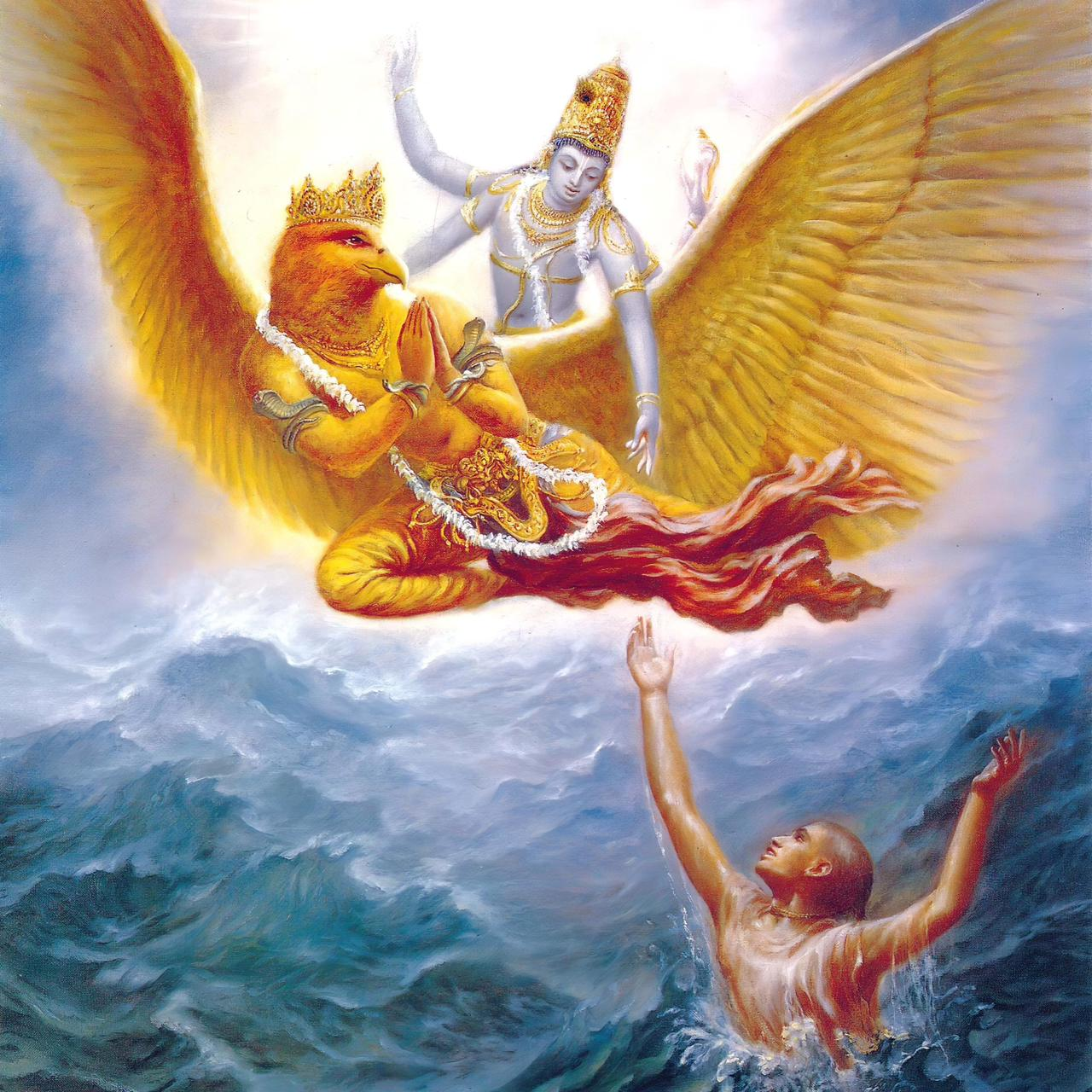
This repeated surrender to the divine feet of the Lord is crystallized in Vaishnava tradition by Vedanta Desikan in his Paduka Sahasram - a set of 1000 verses glorifying the divine Thiruvadi of Sri Ranganatha.
Verse 50 of Paduka Sahasram
परिसरविनतानां मूर्ध्नि धूर्वर्णपङ्क्तिंपरिणमयसि शौरे: पादुके त्वं सुवर्णम् ।कुहकजनविदूरे सत्पथे लब्धवृत्ते:क्व नु खलु विदितस्ते कोऽप्यसौ धातुवाद:
“Oh Lord's Paaduka! You transform the bad fate lines written on the head of a person, who stands bent-headed near You, into golden and good fate. You being far off from fraudulent persons have exhibited this skill of alchemy, How?”
This is a parallel to Valluvan’s third Kural, wherein he states that those who bow to the divine feet of Bhagavan will attain all goodness and wealth - “நிலமிசை நீடுவாழ் வார்”.
शमधमगुणदान्तोदन्तवैदेशिकानांशरणमशरणानां मादृशां माधवस्य ।पदकमलमिदं ते पादुके रक्ष्यमासीत्अनुदयनिधानानामागमानां निधानम् ॥
“Oh Paaduka! For people like me, who are ever distanced from qualities like control of senses, mental restraint, quietness of behaviour within scriptural sanctions, etc., are helpless and are only saved by the lotus feet of the Lord-which feet are treasured by the Vedas that are without a beginning and without an end.”
Again, this mirrors Kural 7 - ““Unless His feet, the matchless One, men gain,
’Tis hard the troubled mind’s repose to attain.”
Verse 241 :
नमस्ते पादुके पुंसां संसारार्णवसेतवेयधाऽरोहस्य वेदान्ता वन्दिवैतालयः स्वयम्
Oh Paaduka! My prostrations to You who is served by the Upanishads acting as panegyrists and announcers, say, at the time of the Lord wearing You who is the bridge for humans to cross the ocean of samsara.
This imagery of the ocean of samsara - பிறவிப் பெருங்கடல், being traversed by holding on to the Paadukas of Bhagavan - இறைவன் அடி - is a direct parallel to the 10th Kural in Valluvan’s work.
The metaphysical structure of the Thirukkural is crystal clear from the above. The Supreme Being is Narayana of the Vedas, with the Supreme Goal, Moksha, being attaining His Realm,
“தாமரைக் கண்ணான் உலகு”. Order on the Earth is maintained through Yagna to the devatas, and those who follow dharma attain the realm of Svarga, presided by Devaraja Indra. Moksha is attained through Karma, Jnana, Bhakti or surrender to Bhagavan’s lotus feet.
सर्वधर्मान्परित्यज्य मामेकं शरणं व्रज |
अहं त्वां सर्वपापेभ्यो मोक्षयिष्यामि मा शुच:
- Bhagavat Gita, 18.66
“Abandon all varieties of dharmas and simply surrender unto Me alone. I shall liberate you from all sinful reactions; do not fear.”
Conclusion :
The cumulative textual, philosophical, and theological evidence admits no ambiguity: Thirukkural is a Dharmic work grounded firmly in the Vaishnava–Vedantic worldview of ancient Tamilagam. Attempts to portray it as a secular, non-theistic, or religiously neutral text collapse under close internal analysis.
The structure of the Kural itself is dispositive. Its organization around அறம்–பொருள்–இன்பம் is not a coincidental resemblance to धर्म–अर्थ–काम, but a direct Tamil rendering of the same Chatur-Purushartha framework. மோக்ஷம், Moksha, though not a separate book, permeates the text through sustained reflections on renunciation, release from birth, transcendence of Deva-loka, and liberation from karmic bondage. This is unmistakably Vedantic soteriology.
The supposed “secularism” of the Kural is further dismantled by its explicit theological vocabulary. Thiruvalluvar names and invokes Vamana, Indra, Yama, Thirumagal, and Vishnu, employs the term “பகவன்” in its precise Sanskritic sense, and opens the work with a theological invocation intelligible only within Vedic cosmology. These are not metaphors but deliberate scriptural references.
The path to liberation articulated in the opening Kurals is Bhakti-centric and Prapatti-oriented. Repeated emphasis on surrender at the divine feet (அடி, தாள், மாணடி, நற்றாள்) mirrors the theology later systematized by Sri Ramanujacharya and enunciated by Vedanta Desikan, affirming that moksha is attained not by self-effort alone but by Bhagavat-prasada.
This understanding was never controversial within the classical Tamil tradition. Parimelazhagar, the Azhwars, and the broader Sri Vaishnava commentarial ecosystem consistently situated Thiruvalluvar within a Vaishnava theological continuum—an organic inheritance, not later “appropriation.”
The modern myth of a “secular Kural” is a colonial and post-colonial construction. G.U. Pope’s de-theologized translations and the later Dravidian ideological project stripped the text of its metaphysical grounding to fit political narratives of identity. Competing claims—Jain or Christian—fail on doctrinal grounds, as the Kural presupposes a theistic Vedic universe incompatible with Jain anīśvaravāda or Christian theology.
The consequences of this misrepresentation are cultural, not merely academic. Detaching the Kural from its Dharmic roots alienates Tamil Hindu youth from their own civilizational inheritance while leaving other traditions’ scriptures untouched and exclusive.
The Thirukkural is “பொதுமறை” not because it is secular, but because Dharma itself is universal. Its ethical reach is global precisely because its metaphysical foundation is Sanatana.
To restore the Thirukkural to its rightful place is not communalism—it is mere intellectual honesty.