
Examining the Philosophy of the Thirukkural - Part 2
“ஒத்தற்கு எனிதாய் உணர்தற்கு அரிதாகி
வேதப் பொருளாய் மிகவிளங்கித் - தித்திப்போர்
உள்ளுதொறு உள்ளுதொறு உள்ளம் உருக்குமே
வள்ளுவர் வாய்மொழி மாண்பு.”
- மாங்குடி மருதனார்
“The Thiruvaimozhi of Thiruvalluvar is easy to learn and recite,
yet difficult to grasp in its full depth of meaning.
It shines as a mantra-like text embodying the essence of the Vedas.
Whenever one reflects upon it, it melts the heart.”
- Mangudi Marudhanar, Sangam Tamil Poet
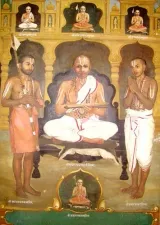
The religious identity of Thiruvalluvar, the famed author of the Thirukkural, has once again found itself at the center of discussion, especially after the new Governor of Tamil Nadu portrayed the saint wearing saffron attire, adorned with Rudraksha and Vibhuti.
This has led to many competing faith systems claiming Valluvan as their own, ranging from the Saiva Siddhantins, Jains, Buddhists to even Abrahamic groups such as Christians and Muslims.
While there can be no opposition to these systems taking inspiration from Valluva Peruman’s divinely inspired work, it is important to note that his work does not align with the worldview of any of the above faiths. All are welcome to study and adhere to his words, as long as they acknowledge Valluvar’s true heritage.
In the previous article,the Thirukkural’s alignment with the system of Shrivaishnavism enunciated by Shri Bhashyakara Ramanuja and made firm by Vedanta Deshika was discussed. Now, the claims of certain other systems claiming Valluvan as theirs shall be examined and dissected.
1 . Examining Shaiva Siddhantins’ claims of Thiruvalluvar as a Nayanmar
One of the most enduring claims of Thiruvalluvar belonging to their system is that of the Shaiva Siddhantins, who claim him as a Nayanmar, among the sect of saints devoted to Siva as the Supreme Lord and object of all adoration and praise.
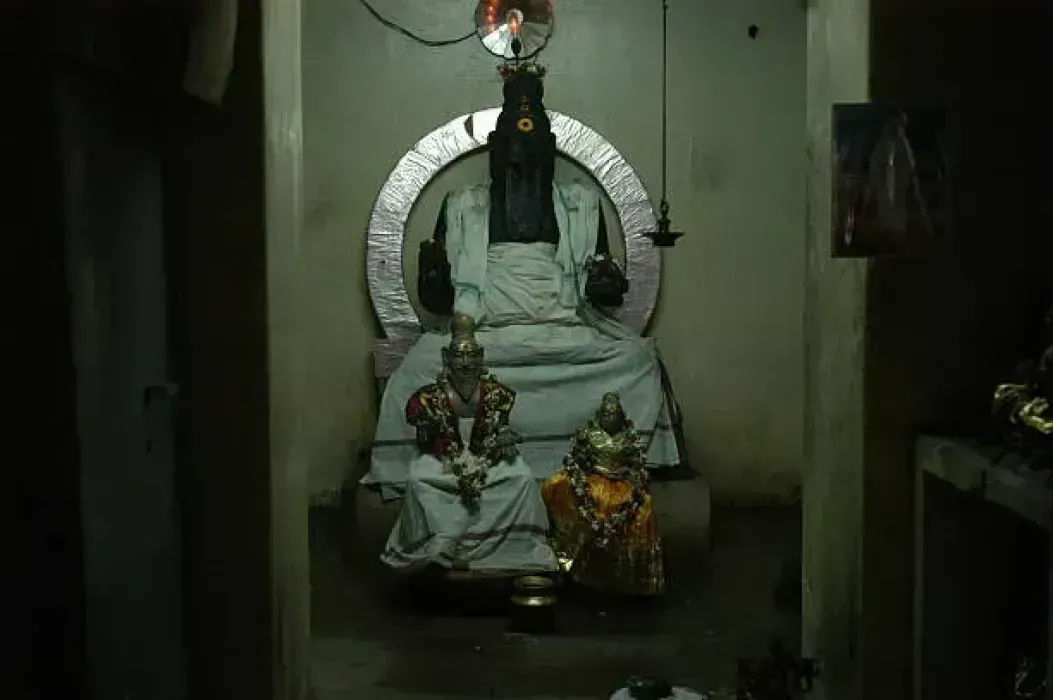
Shrines to Thiruvalluvar are present in certain Shaiva temples as well, but their antiquity does not exceed a time period of 500 years - the oldest known shrine to him is in his supposed birthplace of Thirumayilai, and dated to the 16th century. The complex is dedicated to the divine couple of Ekambaresvara, Siva, and his consort Kamakshi Ambal.
It is important to note that Valluvar’s birth at Thirumayilai is based on hagiographical evidence, with little to no substantive evidence for the same. Many scholars such as Devaneya Pavaanar believe instead that he was born, and spent his life in the city of Madurai during the Sangam age.
This is compounded by strong evidence from the Thiruvalluva Maalai, a collection of poems composed by various Sangam Tamil poets in praise of the poet.
“உப்பக்கம் நோக்கி உபகேசி தோள் மணந்தான்
உத்தர மாமதுரைக்கு அச்சென்ப – இப்பக்கம்
மாதானுபங்கி மறுவுஇல் புலச்செந்நாப்
போதார் புனற்கூடற்கு அச்சு”
- நல்கூர் வேள்வியார்
“If northern Mathurā, famed for Kṛṣṇa
who tamed the fierce bulls and won Nappinnai's hand, is reckoned a pivot of the world, then
water-rich Koodal (Madurai), graced by the flawless poet Valluvar,
must be reckoned another.”
This further strengthens the belief that Thiruvalluvar was from Madurai and not Mylapore.
It is also important to note that Valluvar is not traditionally listed amongst the count of the 63 Nayanmars in Sekkizhar’s Periya Puranam, Sundarar’s Thiruthonda Thogai, or Paranjothi Munivar’s Thiruvilaiyadal Puranam.
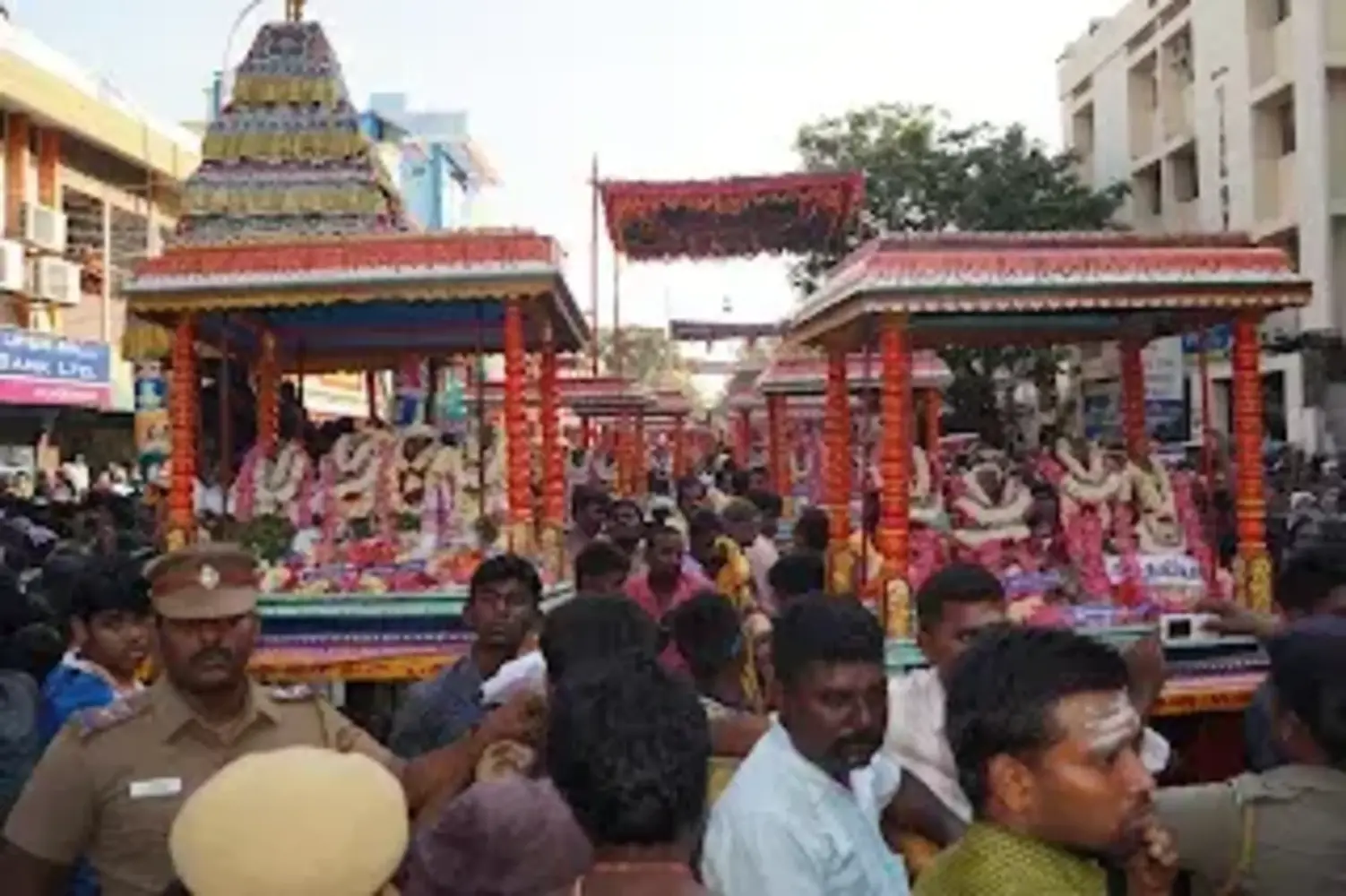
Instead, Thiruvalluvar was surreptitiously added to the list of 63 Nayanmars brought out in yearly procession at the Mylai Kapaleeshwarar temple known as the Aruvaththimoovar, quite literally translating to “The Sixty- Three”, in 1905, ostensibly as an attempt to claim him as a Saiva saint !
It is also important to note that none of Valluvan’s kurals refer to Siva or His parivara even in passing or indirectly - one is welcome to examine the kurals for the same.
One kural oft cited as a reference to Siva is as follows :
திருக்குறள் 580 (அதிகாரம்: கண்ணோட்டம்) :
பெயக்கண்டும் நஞ்சுண் டமைவர் நயத்தக்க
நாகரிகம் வேண்டு பவர்.
“Those who desire gracious and winning civility will remain composed and even drink poison, though they see it being given.”
Shaiva Siddhantins claim that it is a reference to Siva consuming the hala-hala poison cheerfully to prevent the destruction of the Devas.
But there is little to no basis to support this interpretation - in fact Parimelazhagar’s commentary, and those of others, assign it a different meaning altogether, noting that the poet uses it as a metaphor for cultured people accepting insults cheerfully rather than abandoning good conduct.
Another Kural cited as support for the Shaiva case is Kural 9 :
கோளில் பொறியின் குணமிலவே எண்குணத்தான்
தாளை வணங்காத் தலை.
Shaivas cite the works of the Nayanmars, wherein Siva is said to be “He of Eight Qualities”, எண்குணத்தான், to put forth the point that the Supreme being conceived by Valluvan is Siva.
As put forth in the earlier article, the eight gunas are as follows :
- अपहतपाप्मा (apahatapāpmā): free from sin/evil
- विजरो (vijaroḥ): free from old age/decay
- विमृत्युः (vimṛtyuḥ): free from death
- विशोकः (viśokaḥ): free from sorrow
- विजिघत्सः (vijighatsoḥ): free from hunger
- अपिपासः (apipāsaḥ): free from thirst
- सत्यकामः (satyakāmaḥ): whose desires are true (fulfilled)
- सत्यसंकल्पः (satyasaṃkalpaḥ): whose resolves are true (effective)
This is agreed upon by both Shaiva Siddhantins and other Vedantins, including Vishishtadvaitins.
Now we shall examine the Sathapatha Brahmana of the Shukla Yajur Veda, detailing the assignment of Rudra’s name to Him.
Satapatha Brahmana, Kāṇḍa 6, Adhyāya 1, Brāhmaṇa 3 :
tadyāni tāni bhūtāni | ṛtavaste'tha yaḥ sa bhūtānām patiḥ saṃvatsaraḥ so'tha yā soṣāḥ patnyauṣasī sā tānīmāni bhūtāni ca bhūtānāṃ ca patiḥ saṃvatsara uṣasi reto'siñcantsa saṃvatsare kumāro'jāyata so'rodīt
“ Now, those beings are the seasons; and that lord of beings is the year; and that Ushas, the mistress, is the Dawn. And these same creatures, as well as the lord of beings, the year, laid seed into Ushas. There a boy (kumara) was born in a year: he cried.”
tam prajāpatirabravīt | kumāra kiṃ rodiṣi yacramāttapaso'dhi jāto'sīti so 'bravīdanapahatapāpmā vā asmyahitanāmā nāma ma dhehīti tasmātputrasya jātasya nāma kuryātpāpmānamevāsya tadapahantyapi dvitīyamapi tṛtīyamabhipūrvamevāsya tatpāpmānamapahanti
“ Prajapati said to him, “My boy, why criest thou, when thou art born out of labour and trouble?” He said, “Nay, but I am not freed from (guarded against) evil; I have no name given me: give me a name!” Hence one should give a name to the boy that is born, for thereby one frees him from evil;—even a second, even a third (name), for thereby one frees him from evil time after time.”
tamabravīdrudro'sīti | tadyadasya tannāmākarodagnistadrūpamabhavadagniva rudro yadarodīttasmādrudraḥ so'bravījjyāyānvā ato'smi dhehyeva me nāmeti
“ He said to him, “Thou art Rudra.” And because he gave him that name, Agni became suchlike (or, that form), for Rudra is Agni: because he cried (rud) therefore he is Rudra. He said, “Surely, I am mightier than that: give me yet a name!”
Note the use of the word “anapahatapāpmā”, translating to “one whose sins have not yet been removed”, by Rudra to describe Himself.
Yet the Chandogya Upanishad says that the Brahman that is to be known for the attainment of Moksha is apahatapāpmā, free from sin/evil.
Hence it follows that the One of Eight Qualities enjoined by Thiruvalluvar is not Rudra/Siva, who does not ascribe the quality of apahatapāpmā to Himself.
It is also noteworthy that some modern translations emphasize Parimelazhagar's reference to the Saiva Agamas when discussing the "eight qualities." Yet elsewhere, in his commentary on Kural 27, Parimelazhagar explicitly adopts the classical Sankhya/Vishishtadvaitin scheme of twenty-five tattvas, rather than the thirty-six tattvas of the Saiva agamas.
This indicates that the reference to the Saiva agamas is a rather flimsy extension of Parimelazhagar’s commentary, rather than an actual inference based on a study of his work.
From the above it is clear that Shaiva claims of Valluvan as a Nayanmar or a Saiva ideologue are untenable.
2. Examining Jaina claims of Valluvar belonging to their Sect
Viewing celebrated Dravidologist Kamil Zvelebil’s thoughts on the religion of Thiruvalluvar is an interesting exercise.
Kamil Zvelebil believes that the ethics of the Tirukkuṟaḷ reflects the Jain moral code, particularly moral vegetarianism (couplets 251–260), and ahimsa, that is, "abstention from killing" (couplets 321–333); scholars also note the articulation of Thiruvalluvar in one of the couplets of Tirukkuṟaḷ on the liberation (Moksha) from the cycle of rebirth (Saṃsāra) through living a life with a compassionate heart.
Zvelebil states that the text contains epithets for God that reflect Jain ideology.
- Malarmicaiyekinan (Couplet 3), "he who walked upon the [lotus] flower"
- Aravaliyantanan (Couplet 8), "the Brahmin [who had] the wheel of dharma"
- Enkunattan (Couplet 9), "one of the eight-fold qualities"
These, according to Zvelebil, are "very much Jaina-like" because the arhat is seen as "standing on the lotus" or where the arhat in the Jain conception is the god with the lotus as his vehicle.
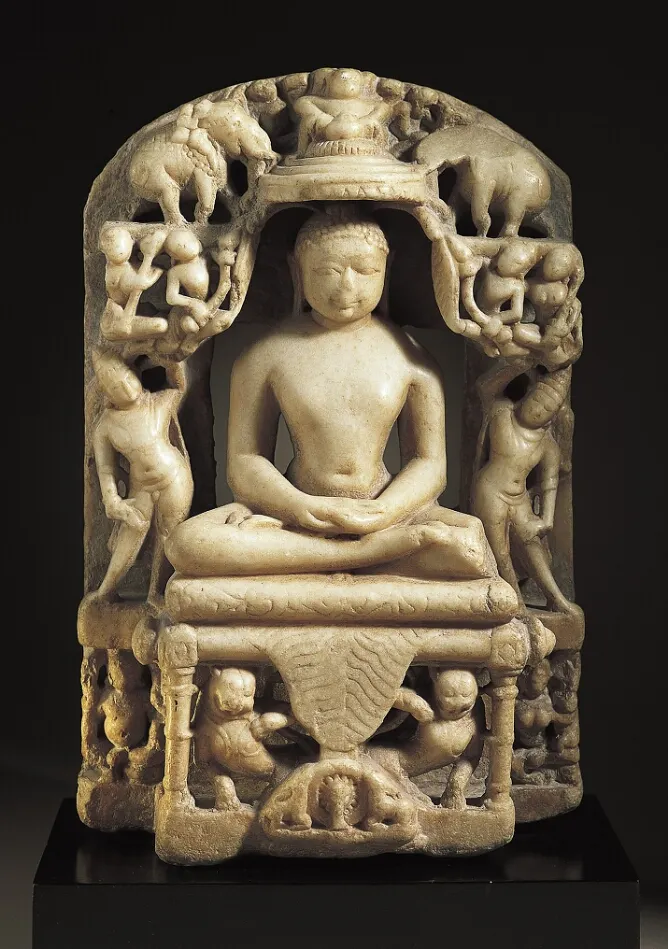
There are exceptions, adds Zvelebil, when Valluvar treats this God with epithets found in the Hindu text Manusmriti, that is, "the Primeval Lord" and "the King, the Monarch".
Zvelebil states that his proposal is supported by the 13th-century Hindu scholar Parimelazhagar, who wrote a commentary on the Kural text, who admitted that these epithets are "very well applicable" to a Jain Arhat.
However, Zvelebil’s citation of Parimelazhagar is undone by Parimelazhagar himself who states unequivocally that there are no nastika beliefs in Valluvan’s work - which is attested to by P.S Sundaram, translator of the scholar’s commentary on the Kural.
There are many flaws in Zvelebil’s interpretations, which are as follows.
Ahimsa is not a facet peculiar to Jainism or Buddhism - in fact it is the Mahabharatha which states the following :
अहिंसा परमॊ धर्मः सर्वप्राणभृतां समृतः
"Non-violence is regarded as the highest dharma toward all living beings."
This is stated repeatedly in the Mahabharatha by many learned sages such as Sauti, Markandeya and Bhishma.
The same Mahabharatha enjoins the learned to abandon the consumption of meat.
अहिंसा परमॊ धर्म इत्य उक्तं बहुशस तवया
शराथ्धेषु च भवान आह पितॄन आमिष काङ्क्षिणः
“Thou hast told it many times that abstention from injury is the highest religion. In Sraddhas, however, that are performed in honour of the Pitris, persons for their own good should make offerings of diverse kinds of meat.”
Yudhisthira asks how killing can be avoided if meat is to be offered in offering sraddha in honor of ancestors.
Bhishma answers by stating that abstention from eating meat is a great sacrifice and provides many benefits. He goes on to state the following :
परजानां हितकामेन तव अगस्त्येन महात्मना
आरण्याः सर्वथैवत्याः परॊक्षितास तपसा मृगाः
करिया हय एवं न हीयन्ते पितृथैवतसंश्रिताः
परीयन्ते पितरश चैव नयायतॊ मांसतर्पिताः
“Desirous of benefiting all men, the high-souled Agastya, by the aid of his penances, dedicated, once for all, all wild animals of the deer species to the deities. Hence, there is no longer any necessity of sanctifying those animals for offering them to the deities and the Pitris.”
He goes on to enumerate the many benefits accrued through ahimsa.
That the Mahabharatha is the inspiration for Valluvar’s disavowal of violence is reinforced by the Thiruvalluva Maalai as well.
“எப்பொருளும் யாரும் இயல்பின் அறிவுறச்
செப்பிய வள்ளுவர்தாம் செப்பவரும் - முப்பாற்குப்
பாரதஞ் சீராம கதையுமைப் பண்டைமறை
நேர்வனமற் றில்லை நிகர்.”
- பாரதம் பாடிய பெருந்தேவனார்
Tiruvalluvar composed his sacred Kural in such a way that all subjects may be understood by all people according to their capacity. Among works that may be compared with what he has spoken, there are only these: the Mahabharata, the Ramayana,the Manusmriti and the ancient four Vedas. Apart from these, there is no equal.
With regards to the kural :
“மலர்மிசை ஏகினான் மாணடி சேர்ந்தார்
நிலமிசை நீடுவாழ் வார்”,
Parimelazhagar comments the following : “மலர்மிசை ஏகினான் மாண்அடி சேர்ந்தார் - மலரின் கண்ணே சென்றவனது மாட்சிமைப்பட்ட அடிகளைச் சேர்ந்தார்; நிலமிசை நீடுவாழ்வார் - எல்லா உலகிற்கும் மேலாய வீட்டு உலகின்கண் அழிவின்றி வாழ்வார். (அன்பான் நினைவாரது உள்ளக் கமலத்தின்கண் அவர் நினைந்த வடிவோடு விரைந்து சேறலின் 'ஏகினான்' என இறந்த காலத்தால் கூறினார்; என்னை? "வாராக் காலத்தும் நிகழும் காலத்தும் ஓராங்கு வரூஉம் வினைச் சொற் கிளவி இறந்த காலத்துக் குறிப்பொடு கிளத்தல் விரைந்த பொருள் என்மனார் புலவர்" (தொல், சொல், வினை, 44) என்பது ஓத்தாகலின். இதனைப் 'பூமேல் நடந்தான்' என்பதோர் பெயர்பற்றிப் பிறிதோர் கடவுட்கு ஏற்றுவாரும் உளர். சேர்தல் - இடைவிடாது நினைத்தல்).”
Which translates to the following :
Those who attach themselves to the glorious feet of Him who dwells upon the heart-lotus,shall live eternally without destruction in the highest Realm of Liberation (Vīṟṟu Ula) that is superior to all other worlds.
"Eginān" (He who went) — The author uses the past tense ("went") because He swiftly attains the form envisioned by the devotee's thought, residing within the heart-lotus of those who remember Him through love/devotion. Since He quickly reaches them, the past tense is appropriately employed.
Why the past tense?As the Tolkāppiyam states (Sollviyai, 44):"A verb that describes an action which occurs both in the future time and in the present time, but which happens at one and the same place, shall be spoken in the past tense with reference to its meaning of speed and swiftness."
(Hence, the grammar rule justifies this usage.)
"Attaching" (Sērṟal) — Means to remember Him continuously without interruption.
Some people interpret this as referring to a different deity by the epithet "Pūmēl Naṭṭhān" (He who walked upon the earth/flower), attributing it to another god. Parimelazhagar clarifies that the correct meaning is about the Lord in the heart-lotus, not this alternative deity.
Kamil Zvelebil’s interpretation of a Jain Arhat is hence rejected by Parimelazhagar.
Instead, we find in the Pancharatra Agama the following verse :
आराधयामि हृदि केशवम् आत्मगेहे मायापुरे हृदयपङ्कजसन्निविष्टम् ।
श्रद्धानदी विमलचित्तजलाभिषेकैः नित्यं समाधिकुसुमैरपुनर्भवाय ॥
I worship Keśava in my heart,
in the mansion of the self,
seated within the lotus of the heart in this city of māyā (the body).
For the sake of freedom from rebirth,
I daily perform His consecration with the pure waters of a spotless mind flowing as the river of faith,
and offer the flowers of meditation.
Periyazhwar adds to the same in his Senniyongu : “ தடவரைவாய் மிளிர்ந்து மின்னும் தவள நெடுங்கொடிபோல்
சுடரொளியாய் நெஞ்சினுள்ளே தோன்றும் என் சோதி நம்பீ!
வடதடமும் வைகுந்தமும் மதிள் துவராபதியும்
இடவகைகள் இகழ்ந்திட்டு என்பால் இடவகை கொண்டனையே”
Just as a pristine flag on a hill top is clearly seen;
You reside in the lotus of my heart with a sheen!
You shunned milky ocean, Vaikuntha & Dwarka-the fort city;
only to come into my heart and sit pretty!
With regards to Kural 8, Nammazhwar’s usage of the term “Aravazhi andhanan” in his Thiruvaimozhi to refer to Narayana has already been referred to in the previous article.
It is also noteworthy that Jainas reject the existence of a Brahmana varna within their system : in their legends, Adinatha Thirthankara establishes a 3-tier Varna system of Sudra, Vaishya and Kshatriya, unlike the four-tiered Astika system. In such a case it is incongruous to say that the “aravazhi andhanan” refers to a Thirthankara, especially when the Jainas themselves state that their Thirthankaras appear only in the Kshatriya varna.
As the case with the above, Kural 9 referring to the One possessed of Eight qualities has also been discussed earlier (refer to the section on Shaiva Siddhantins and the previous article).
Valluvar's conception of the divine appears difficult to reconcile with classical Jain anīśvaravāda. Jainism denies the existence of a supreme creator, sustainer, or karmic governor, holding instead that the universe is beginningless and operates according to the intrinsic laws of karma.
Yet the opening decade of the Tirukkural repeatedly describes the deity as the primordial principle of the world ("ஆதி பகவன்"), as one whose devotees are freed from the bondage of karma ("இருள்சேர் இருவினையும் சேரா"), and as the indispensable means for crossing the ocean of rebirth ("இறைவன் அடிசேராதார்").
Traditional commentators such as Parimelazhagar further interpret the deity as one who enters the heart-lotus of devotees, a conception closely aligned with the Vedantic doctrine of the indwelling Lord (antaryāmin). Such descriptions sit uneasily with the non-theistic metaphysics of classical Jainism and are more readily explained within a theistic Hindu framework.
Ascertaining Thiruvalluvar’s beliefs from the Thiruvalluva Maalai and Parimelazhagar’s Commentary
The Thiruvalluva Maalai is a collection of poems praising Thiruvalluvar for his divine work of the Thirukkural. Containing the compositions of many famous Sangam-era poets such as Kapilar, Bharanar and Avvaiayar, it describes the glory of the Kural and how it was presented at the Madurai Sangam and feted by the Pandya king.
How does the Valluva Maalai praise Thiruvalluvar?
மாஓங்கு குறளாய் வளர்ந்திரண்டு மாண்புடையால்
ஓரால் முடிதும் நயந்தளந்தான்- வாலறிவின்
வள்ளுவரும் தங்குறள்வெண் பாவடியால் லையத்தா
ருள்ளுவெல் லாமளந்தா ரோர்ந்து.
- பரணர்
“As Thirumaal, having grown as a dwarf,
measured the whole earth with his two strides,
so Valluvar, with the two feet of his faultless Kural verse,
measured all that the people of the world think.”
கான்நின்ற தொங்கலாய் காசிபனார் தந்ததும்பு
சூறின்று அளந்த கறென்ப - நூல்முறையான்
வான்நின்ற மணணின்று அளந்ததே வளருவனார்
தாமறின்று அளந்த கறள்.
- பொன்முடியார்
“The small-statured Kural Vamana, born of Kashyapa
measured the Earth while standing on earth,
Valluvar’s Kural, on the other hand,
measures the world from both heaven and earth.”
ஆற்றல் அழியுமென்று அந்தணர்கள் நான்மறையாய்
போற்றி யுரைத்துஎட்டி ன் புறத்தெழுமொழி - ஏட்டெழுதி
வல்லூறரும் வல்லலரும் வள்ளுவனார் முப்பாலையும்
சொல்லவிடுவதும் ஆற்றல்கொசார் வின்னு.
- கோதமனார்
“The Brahmanas, believing that the Vedas’ power would be lost if they were committed to writing, preserved them by oral transmission alone. Yet even when Valluvar’s Muppal is written down and recited by both the learned and the ordinary, its power remains undiminished.”
செய்யா மொழிக்கும் திருவள்ளுவர் மொழிந்த
பொய்யா மொழிக்கும் பொருள்ஒன்றே - செய்யா
அதற்குரியர் அந்தணே ஆராயின் ஏனை
இதற்குரியர் அல்லாதார் இல்.
- வெள்ளி வீதியார்
“The Vedas that were not composed (apauruseya),
and the truths spoken by Thiruvalluvar, are of the same meaning.
Only the Brahmins are fit to study the former;
but if examined carefully, there is no one unfit for the latter.”
ஐயரும் நூறும் அதிகாரம் முற்றும்
மெய்யாய வேதப் பொருள்விளங்கப் - பொய்மயாது
தந்தான் உலகிற்குத் தான்வள் ஞாவனாகி
அந்தாமரை மேல் அயன்.
- காவிரிப் பும்பட்டினத்துக் காரிக்கண்ணனார்
“Brahma who is seated on the Lotus (emerging from Narayana’s navel),
assuming the form of Valluvar,
gave to the world the true meaning of the Vedas,
revealing the hundred and three chapters without falsehood.”
எதமில் வள்ளுவர் இன்குறள் வெண்பாவினால்
ஓதிய ஒண்பொருள் எல்லாம் உரைத்ததனால்
தாதுஅவிழ் தாந்தாற தாமே தைம்பயந்த
வெதமே மேதக் கன.
- பெருஞ்சித்திரனார்
“Removed from fault, Valluvar’s sweet Kural verse
has explained all the noble meanings spoken by the Vedas;
so the Vedas themselves seem to have
naturally given birth to those truths.”
இன்பம் பொருள்அறம் வீடென்றும் இந்நான்கும்
முன்பு அறியச்சொன்ன முதுமொழிநூல் - மன்பதைக்கு
உள்ள அரிதென்று அறவவள் ஞர்வாஉலகம்
கொள்ள மொழிந்தார் குறள்.
- நிவெருசத் தையார்
““Pleasure, wealth, virtue, and liberation -these four -
were first taught for mankind by the ancient texts (Vedas);
since the people of the world found them hard to grasp,
Valluvar composed the Kural so the world could understand them.”
புலிற்றுத் தாமரையே பொன்னுக்குச் சாம்புநதம்
ஆவிற்று அருமுனியா ஆனைக்கு அகரும்பல்
தேவில் திருமால் எனச்சிறந்த தென்பேவ
பாவிற்கு வளருவெவண் பா.
- கவிசாகரப் பெருந்தேவனார்
““As the lotus is best amongst flowers; among valuables, gold;
among cows, Kamadhenu; among elephants, Airavata;
among gods, Thirumaal (Narayana);
so too among poems, Valluvar’s couplets are the best”.
தேவிற சிறந்ததிரு வள்ளுவர் குறள்வெண்
பாவிற சிறந்ததிருமுப் பால்பகரார் - நாவிற்கு
உயவில்லை சொற்கவை ஓர்வில்லை மற்றும்
செயவில்லை என்றும் திரு.
- உறையூர் முதுகூற்றனார்
“Believing that he has no sweet speech,
the tongue of one who has not read Thiruvalluvar’s Thirukkural,
and that his body is of no value,
Goddess Lakshmi does not approach him.”
It is interesting to note that the author of this particular Maalai verse is from Uraiyur, the site of the famous Uraiyur Naachchiyaar Koyil, where the Goddess herself is said to have incarnated as the daughter of the Chola king Nandha in order to marry Sri Ranganatha !
ஆரியமும் செந்தமிழும் ஆராய்ந்து இதனினிது
சீரியது என்றொன்னைச் செப்பரிதால் - ஆரியம்
வெதம் உலைத்து தமிழ்திரு வள்ளுவனார்
ஓதுகூறட் பாலடைத்து.
- வண்ணக்ககு சாந்தனார்
“Having examined both Aryam (Sanskrit) and pure Tamil,
it is hard to declare one as more refined and sweeter than the other.
For Aryam (Sanskrit) has the Vedas,
while the noble Tamil sage Valluvar has composed the Kural verses.”
ஒருவா் இருக்துறனே முப்பாலின் ஓதும்
தருமம் முதல்நான்கும் சாலும் - அருமைகள்
இந்தும் சமயநூல் ஆரும்நம் வள்ளுவனாா
புந்தி மொழிந்த பொருள்.
- கனத்தூாக்க கிழார்
“The essence of the four Vedas and the principal doctrines
of their allied scriptures are contained in Thiruvalluvar’s work.
Therefore, to attain salvation, it is enough for one to understand the fourfold
meaning explained in the three divisions of the Kural - virtue, wealth, and love.”
From the above, it is clear that the Kural was situated in a Vaishnava-Vedantic worldview. Valluvar containing lofty meanings within the small kurals is considered akin to Narayana containing His divine essence within the dwarf-child of Kashyapa.
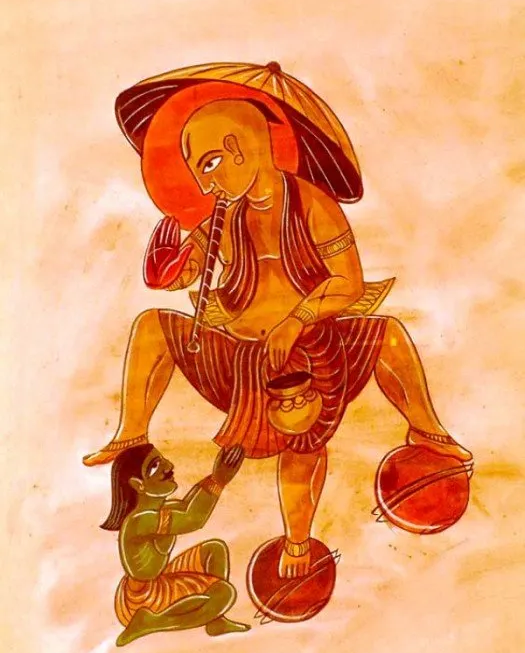
Valluvan is praised as the icon of the Madurai of the South, just as Krishna, Nappinai’s lover, is the icon of the Mathura of the North. The Kural is praised as the best amongst poems, just as Thirumaal is best amongst the Devas, அமரர்கோமான்.
The poets of the Tamil Sangam praise the Kural by attesting that Isvari, Lakshmi, does not abide by those who do not learn the Kural. The Kural itself is considered akin to the Vedas, Vedangas, Upanishads and Itihasa.
There are also several interesting links between the Azhwars and Valluvan’s eponymous work. The excerpt from the Thiruvalluva Maalai quoted at the beginning of this article refers to the Kural as Thiruvaimozhi, and that which is the essence of the Vedas.
Nammazhwar’s prabhandams are also referred to as the Thiruvaimozhi, and praised as the essence of the Vedas - they are given the title of Dravida Veda Saagara.
We have already discussed how both Nammazhwar and Valluvan describe Bhagavan as “aravazhi andhanan” and “aravanai aazhi padai andhanan” respectively.
Parimelazhagar uses Nammazhwar’s Thiruvaimozhi to reinforce his explanations of the Thirukkural, notably in Kurals 349 and 370.
He also cites the works of Kurugur Shatakopan in Chapter 39 of the second book of the Kural.
Parimelazhagar also states the following with respect to Valluvar’s Kadavul Vazhthu :
அஃதாவது, கவி தான் வழிப்படும் கடவுளை யாதல் எடுத்துக் கொண்ட பொருட்கு ஏற்புடைக் கடவுளையா தல் வாழ்த்துதல். அவற்றுள் இவ்வாழ்த்து ஏற்புடைக் கடவுளை என உணர்க. என்னை? சத்துவம் முதலிய குணங்களால் மூன்றாகிய உறுதிப்பொருட்கு அவற்றான் மூவராகிய முதற் கடவுளரோடு இயைபு உண்டாகலான். அம்மூன்று பொருளையும் கூறலுற்றார்க்கு அம்மூவரையும் வாழ்த்து தல் முறையாதலின், இவ்வாழ்த்து அம்மூவர்க்கும் பொதுப்படக் கூறினார் என்று உணர்க
“The Poet (Thiruvalluvar) may either refer to the God worshipped by him, or the God who best fits the description of his work. Here, the Poet refers to the God who fits (the description of his work). Who is this God? He is the embodiment of Sattva guna and foremost amongst the Trinity (of Brahma, Vishnu and Siva). Hence it can also be understood as applicable to the Trinity themselves.”
Parimelazhagar also clarifies that when thiruvalluvar states “நிலமிசை நீடுவாழ் வார்” in Kural 3, he refers to the Highest of lokas, not a long life on Earth.
This puts to rest any doubts regarding the ascribing of a Vaishnava-Vedantic worldview to Thiruvalluvar.
Conclusion :
The purpose of this study has not been to deny the universal appeal of the Thirukkural, nor to prevent adherents of different faiths from drawing inspiration from its timeless teachings. Rather, it has been to examine, through textual evidence, the philosophical milieu in which Thiruvalluvar himself composed his work.
The claims advanced by Shaiva Siddhantins and Jaina scholars encounter significant difficulties when measured against the Kural itself, the testimony of the Thiruvalluva Maalai, and the authoritative commentary of Parimelazhagar. The deity praised in the Kadavul Vazhthu is described as the primordial Lord, the destroyer of karmic bondage, the indwelling presence within the devotee, and the giver of liberation. Such descriptions are not easily reconciled with Jain anīśvaravāda, nor do the commonly cited Shaiva interpretations withstand close scrutiny.
By contrast, the literary and theological traditions surrounding the Kural repeatedly situate it within the broader Vedic world. The poets of the Thiruvalluva Maalai compare Valluvar to Vāmana, identify his work with the essence of the Vedas, praise Thirumaal as the highest among the gods, and present the Kural as a universal exposition of the truths contained in the Vedas, Itihāsas, and allied scriptures. Parimelazhagar’s commentary further reinforces this framework through repeated citations of the Thiruvaimozhi and through interpretations that align naturally with Vedantic theology.
The evidence does not compel every reader to accept Thiruvalluvar as a sectarian theologian. Yet it strongly suggests that he lived and wrote within a Vedic and theistic intellectual tradition, and that the philosophical assumptions underlying the Thirukkural are far more at home in a Vaishnava-Vedantic worldview than in the alternative systems that have sought to claim him in later centuries.
The Thirukkural remains a work for all humanity. But to appreciate it fully, one must also recognize the tradition from which it emerged. The universality of Valluvar’s message is not diminished by acknowledging its roots; rather, those roots help us understand how a work grounded in Vedic wisdom came to speak to people across all boundaries of time, place, and creed.
Sources :
Thiruvalluva Maalai : https://www.projectmadurai.org/pm_etexts/utf8/pmuni0798.html
Thiruvalluvar’s Temple : https://newstodaynet.com/2019/11/15/temple-dedicated-to-thiruvalluvar-at-his-place-of-birth-in-mylapore/
Thirukkural : https://www.dinamalar.com/thirukkural
Chandogya Upanishad : https://www.wisdomlib.org/hinduism/book/chandogya-upanishad-english/d/doc239454.html
Satapatha Brahmana : https://www.wisdomlib.org/hinduism/book/satapatha-brahmana-sanskrit/d/doc1054520.html
Tamil Literature, Kamil Zvelebil : https://books.google.co.in/books?id=Kx4uqyts2t4C&pg=PA124&redir_esc=y#v=onepage&q&f=false
The Smile of Murugan,Of Tamil Literature of South India (Kamil Zvelebil):
https://books.google.co.in/books?id=degUAAAAIAAJ&pg=PA155&redir_esc=y#v=onepage&q&f=false
Thirukkural Tamil Maraburai, Devaneya Paavanar
Mahabharata, Book 13, Chapter 117 : https://sacred-texts.com/hin/mbs/mbs13117.htm
Thirukkural, Parimelazhagar Urai : https://archive.org/details/thirukuralparime0000unse
Tholkappiam : https://archive.org/details/dli.jZY9lup2kZl6TuXGlZQdjZU3kZly.TVA_BOK_0006660
Pancharatra Agama Krama : http://www.srivaishnavam.com/aradhana.htm
Senniyongu, Periyazhwar : https://acharya.org/dp/v3/1/02-perith10/0463-so-en.pdf
Image of Aruvathimoovar procession : https://giritrading-agency.blogspot.com/2016/03/aruvathimoovar-urchava-festival.html
Image of Neminathaswami : https://www.nortonsimon.org/art/detail/F.1978.28.S
Image of Vamana : https://www.mygodpictures.com/category/god-vamana-ji/
Acknowledgements :
சீரொன்று தூப்புல் திருவேங்கடமுடையான்
பாரொன்றச் சொன்ன பழமொழியுள் – ஓரொன்று
தானே அமையாதோ தாரணியில் வாழ்வார்க்கு
வானேறப் போமளவும் வாழ்வு!
“Of the many wise sayings uttered by the uniquely glorious Vēṅkaṭanātha of Thūppul, will not those who live upon this earth adopt at least one? That alone will grant them life extending even beyond ascent to heaven!”
The author would like to acknowledge the contributions of the esteemed Dr M.S Rangachari in the writing and translations made in this article. Many thanks are due to the author's many acquaintances whose inputs enriched the article.


